Porcelain Veneers in Mount Vernon, WA
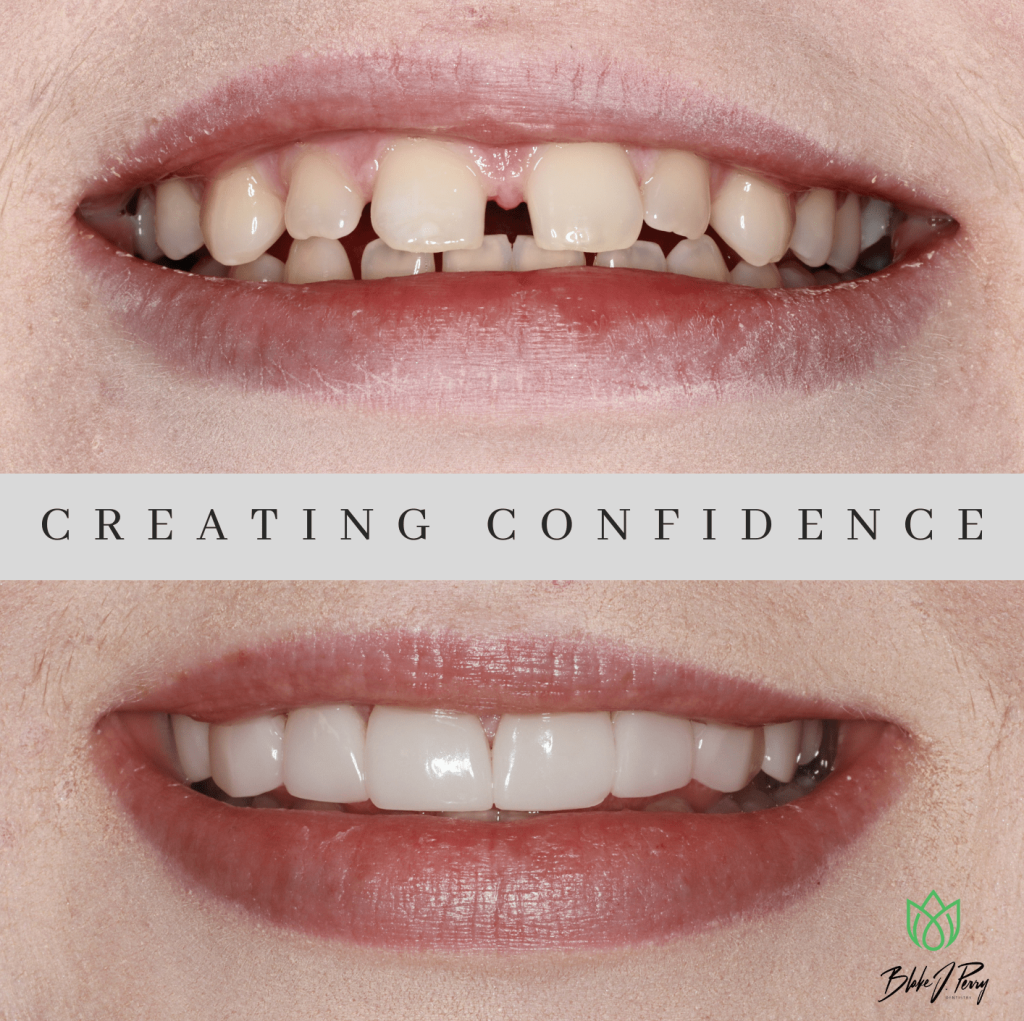
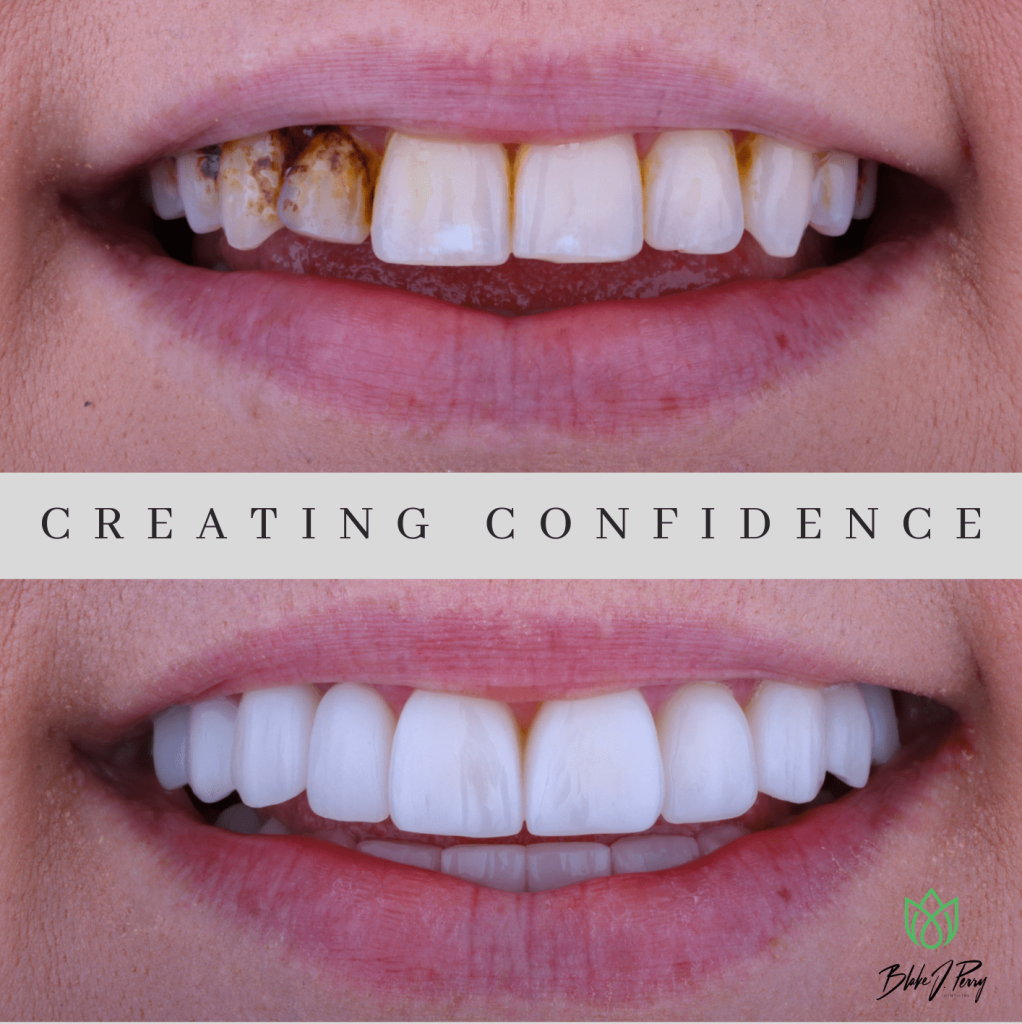
If you want to change the look of chipped, stained, uneven, or gapped front teeth, porcelain veneers are worth looking into. Veneers are thin, custom-made shells that bond to the front of teeth to improve color, shape, and overall smile balance.
At Perry Family Dentistry, you will meet with Dr. Blake J. Perry to talk through your goals, check your oral health, and decide whether veneers make sense for your teeth and your bite.
Quick definitions you can use to understand veneers
Porcelain veneers
Thin ceramic shells that bond to the front of teeth to improve appearance, including color and shape.
Dental veneers
A general term that includes porcelain and composite veneers. The best choice depends on your goals, enamel, and bite.
Veneers vs crowns
Veneers cover the front surface of a tooth. Crowns cover the whole tooth.
What porcelain veneers are
Porcelain veneers are designed to look like natural enamel. They are custom-made for each tooth so the final result fits your bite and matches your smile.
Veneers are usually placed on teeth that show when you smile. Some people treat one tooth. Others treat several front teeth for a more even look.
What veneers can help with
Porcelain veneers may help improve the appearance of:
- Chipped or worn edges
- Stubborn stains that whitening cannot touch
- Uneven tooth shape or size
- Small gaps between teeth
- Mild misalignment, when the bite and tooth position allow it
When veneers may not be the right answer
Veneers are not a replacement for treating dental health problems. If you have active decay, gum disease, or a bite issue that puts heavy pressure on front teeth, you may need another treatment first.
Depending on your situation, Dr. Perry may discuss options such as whitening, cosmetic bonding, orthodontics, or crowns.
Porcelain veneers vs composite veneers
Many patients start with the question, “Should I do porcelain veneers or composite veneers?”
Here is the simplest way to compare them.
Porcelain veneers
Porcelain veneers are typically made by a dental lab and then bonded to the teeth. They are often chosen when you want a long-term solution with strong control over shape, translucency, and shade.
Composite veneers
Composite veneers use tooth-colored resin. They can sometimes be done in fewer visits and work well for smaller changes. Composite can stain and wear more easily over time than porcelain, and may need more upkeep as the years go on.
During your consultation, Dr. Perry can explain what each option can realistically do for your smile, along with the pros and cons for your teeth.
Veneers vs crowns
Veneers and crowns can both improve appearance, but they serve different needs.
Veneers cover the front surface of a tooth and suit cases where the tooth underneath is structurally healthy.
- Crowns cover the entire tooth and may be recommended when a tooth needs more support due to large fillings, cracks, or significant damage.
If your goal is cosmetic improvement and your tooth is healthy, veneers may be an option. If the tooth needs reinforcement, a crown may be the safer plan.
Who is a good candidate for porcelain veneers?
Veneers work best when teeth and gums are healthy and the bite is stable.
You may be a good candidate if you have:
- Healthy gums with no untreated gum disease
- No active cavities
- Enough enamel for predictable bonding
- A bite that does not put damaging force on the veneers
- Realistic expectations about shade, shape, and long-term care
Grinding and clenching
If you grind or clench your teeth, veneers can be at higher risk for chipping or wear. This does not automatically rule you out.
It does mean Dr. Perry will want to review your bite carefully and talk about protection, such as a nightguard, when appropriate.
Do veneers require tooth reduction?
Some veneers involve minimal enamel shaping so the final result looks natural and fits correctly. The amount of reduction depends on your tooth position, your bite, and the cosmetic changes you want.
If you have questions about “no-prep” or “minimal-prep” veneers, bring them up during your visit. The safest approach is the one that fits your anatomy and your goals.
What to expect, step by step
Veneer treatment is planned. A predictable result comes from careful evaluation and good communication.
1) Consultation and evaluation
At your first visit, Dr. Perry will discuss what you want to change and what you want to keep. This appointment typically focuses on:
- Your smile goals and timeline
- Tooth and gum health
- Bite and wear patterns
- Shade and shape preferences
If veneers are not the best choice for your situation, you should leave with clear alternatives.
2) Planning the look and feel
Veneers are not just about making teeth whiter. The shape and length matter, and so does your bite.
Planning often includes decisions about:
- How bright you want your smile to be
- Tooth shape, edges, and symmetry
- Whether to close gaps, lengthen worn edges, or even out uneven teeth
- How to keep the result natural for your face and smile line
3) Tooth preparation and records
If you move forward, the next step is getting the teeth ready for veneers and capturing accurate records for fabrication. Some cases involve minimal shaping to create space for the veneer material.
4) Placement and bonding
When the veneers are ready, Dr. Perry will check fit, shade, and bite. Once everything is confirmed, the veneers are bonded to the teeth.
This visit is also when bite adjustments may be made so the veneers feel comfortable when you speak and chew.
5) Follow-up and maintenance
Some patients benefit from a short follow-up to confirm comfort and bite, especially when multiple front teeth were treated.
Long-term care matters. Veneers do not prevent cavities or gum disease, so brushing, flossing, and routine cleanings remain important.
Do porcelain veneers hurt?
Most people tolerate veneer treatment well. Local anesthetic is commonly used during any tooth preparation. Afterward, some patients notice temporary sensitivity to cold or pressure. Sensitivity varies by person and by how much enamel shaping was needed.
If you are nervous, tell the team at your visit. Clear expectations help patients feel more comfortable.
How long porcelain veneers last and how to care for them
Porcelain veneers can last many years with good care, but they are not permanent. Lifespan depends on:
- Your bite forces
- Whether you grind or clench
- Home care habits
- Routine professional maintenance
Veneer care tips
- Brush twice daily with a non-abrasive toothpaste
- Floss daily, including along the gumline
- Avoid using teeth to open packages or bite hard objects
- Be cautious with ice, pens, and very hard foods
- Wear a nightguard if recommended for grinding or clenching
If you notice a rough edge, a bite change, or a chip, call the office. Early evaluation can prevent bigger issues.
Porcelain veneers cost in Mount Vernon, WA
Veneer costs vary widely, and quoting a number without an exam often causes confusion. The most accurate estimate comes after Dr. Perry evaluates your teeth and your bite.
Common cost factors include:
- The number of teeth being treated
- How much shaping is needed
- The complexity of the cosmetic goals
- Whether bite adjustments or protective measures are needed
- The lab work required for your case
If you are comparing options, ask for a plan that includes alternatives such as composite veneers, bonding, or whitening, when appropriate.
Serving Patients in Mount Vernon and nearby communities
Perry Family Dentistry is located at 2017 Continental Pl #9, Mount Vernon, WA 98273.
Patients often visit us from nearby Mount Vernon neighborhoods, including West Hill and Kulshan Creek. We also see patients who drive in from Burlington, Anacortes, and Sedro-Woolley.
If you are coming from the Skagit Valley College area on East College Way or from the Skagit Valley Hospital area, our Mount Vernon location is a convenient option for many local schedules.
Schedule a porcelain veneers consultation
The best way to know if veneers fit your goals is a consultation. You can ask questions, understand your options, and get a plan based on your teeth, not a generic recommendation.
Perry Family Dentistry
2017 Continental Pl #9, Mount Vernon, WA 98273
(360) 230-7202
Porcelain Veneers FAQs
What are porcelain veneers?
Porcelain veneers are thin, custom-made ceramic shells that bond to the front of teeth to improve appearance, including color, shape, and smile symmetry.
How many teeth should I get veneers on?
It depends on what shows when you smile and how evenly your teeth match in color and shape. Some people veneer one tooth, while others veneer several front teeth for balance.
Do porcelain veneers look natural?
They can look very natural when shade, shape, and translucency are planned carefully. A natural look usually means matching veneers to your face and keeping the brightness in a realistic range.
Do veneers hurt?
Local anesthetic is commonly used during preparation. Some people feel temporary sensitivity afterward, especially to cold. Comfort varies by person and by the amount of preparation needed.
Do veneers require shaving teeth?
Many veneer cases involve some enamel shaping so the veneers can fit and look natural. The amount depends on your teeth, bite, and the cosmetic changes you want.
Are porcelain veneers permanent?
Veneers are considered long-term because some enamel may be altered during preparation. They may need replacement in the future due to wear, damage, or changes in the bite and gumline.
Can veneers fix crooked teeth?
Veneers can camouflage mild misalignment. More significant crowding or bite problems often require orthodontics first. An exam is the best way to decide.
What is the difference between porcelain veneers and composite veneers?
Porcelain veneers are typically lab-made and more stain-resistant. Composite veneers use tooth-colored resin and may be a good fit for smaller changes, but they can stain and wear more over time.
Veneers vs crowns, which is better?
Veneers cover the front surface of a tooth. Crowns cover the entire tooth. If a tooth is weakened or heavily damaged, a crown may be recommended instead of a veneer.
How long do porcelain veneers last?
Many veneers last years with good home care and regular dental visits. Longevity depends on bite forces, grinding or clenching habits, and overall oral health.
Do veneers stain?
Porcelain is generally more stain-resistant than natural enamel, but staining can still occur around the edges and on the surrounding teeth. Regular cleanings and good home care help.
Are veneers covered by dental insurance?
Coverage varies by plan and by the reason for treatment. Veneers are often considered cosmetic, but it depends on your policy and diagnosis. Bring your insurance information to your visit so your options can be reviewed.
Contact Us